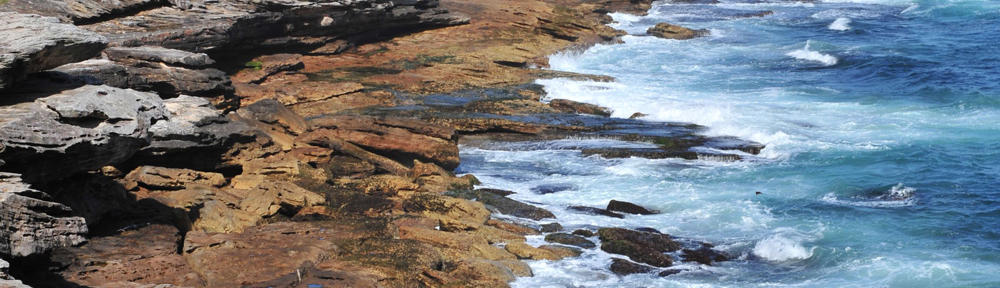
- Serene escapes and winner-islands.org.uk unveil hidden coastal treasures today
- Discovering the Untouched Beauty of the Isles of Scilly
- A Haven for Wildlife Enthusiasts
- Exploring the Shetland Islands: A Norse Legacy
- A Cultural Tapestry Woven Through Time
- The Channel Islands: A European Microcosm
- Navigating the Islands and their Unique Charms
- Beyond the Familiar: Rising Coastal Destinations
- Preserving Island Ecosystems: A Forward-Looking Approach
Serene escapes and winner-islands.org.uk unveil hidden coastal treasures today
The allure of remote islands has captivated humankind for centuries, representing escapes from the everyday and opportunities for unique experiences. Increasingly, travelers are seeking destinations that offer not only stunning natural beauty but also a sense of tranquility and authenticity. Among the resources dedicated to unveiling these hidden gems, winner-islands.org.uk stands out as a valuable portal for discovering lesser-known coastal treasures, particularly those offering a respite from mass tourism. Its focus lies on providing detailed information and inspiring content for those yearning to explore idyllic island landscapes and cultures.
The appeal of island getaways extends beyond mere aesthetics; they offer a chance to disconnect from the pressures of modern life and reconnect with nature. From secluded beaches and vibrant marine life to rich local traditions and welcoming communities, islands possess a unique charm that draws visitors back time and again. This desire for authentic travel has fueled the growth of specialized websites like this one, which cater to a discerning audience seeking off-the-beaten-path destinations. The focus on individual islands, rather than broad regions, allows for a deeper dive into the unique character of each location.
Discovering the Untouched Beauty of the Isles of Scilly
The Isles of Scilly, an archipelago off the Cornish coast of England, represent a microcosm of the paradise islands that many seek. Characterized by pristine beaches, turquoise waters, and a surprisingly mild climate, these islands offer a remarkable escape. Unlike more well-known destinations, the Scillies have managed to retain a sense of unspoiled charm, largely due to their relative isolation and protected status. Exploring the islands reveals a landscape sculpted by both the sea and a unique horticultural heritage, fostered by the Gulf Stream’s warming influence. Visitors can traverse picturesque walking trails, spot rare seabirds, and immerse themselves in a slower pace of life, far removed from the hustle and bustle of mainland Britain.
A Haven for Wildlife Enthusiasts
The Isles of Scilly are a renowned destination for birdwatchers, attracting enthusiasts from across the globe. The islands serve as a vital stopover point for migratory birds, and rare species are regularly sighted. Beyond birdlife, the surrounding waters teem with marine life, including seals, dolphins, and even the occasional basking shark. Several local tour operators offer boat trips designed to showcase the islands’ incredible biodiversity, providing opportunities for responsible wildlife viewing. Conservation efforts are paramount, ensuring the preservation of this fragile ecosystem for future generations. The dedication to protecting the natural environment is a key aspect of the Scilly’s appeal to eco-conscious travelers.
| Island | Population (approx.) | Key Features | Accommodation Type |
|---|---|---|---|
| St. Mary's | 1,600 | Largest island, Hugh Town, airport | Hotels, guesthouses, self-catering |
| Tresco | 180 | Abbey Garden, stunning beaches | Tresco Estate accommodation, cottages |
| St. Martin's | 80 | White sand beaches, flower farms | Camping, guesthouses, small hotels |
| Bryher | 80 | Rugged coastline, Shipwreck Museum | Guesthouses, self-catering |
The table provides a basic overview of the main inhabited islands. Each island boasts its own personality, and exploring several is highly recommended to fully appreciate the archipelago’s diverse offerings. Transportation between the islands is readily available via a frequent ferry service, making island-hopping a convenient and enjoyable experience. Planning ahead, particularly during peak season, is advisable to secure accommodations and ferry bookings.
Exploring the Shetland Islands: A Norse Legacy
Venturing further north, the Shetland Islands present a dramatically different island experience. Located closer to Norway than to mainland Scotland, Shetland boasts a rich Norse heritage, evident in its place names, culture, and architectural remains. The landscape is characterized by rugged cliffs, sweeping moorland, and picturesque fishing villages. Unlike the subtropical feel of the Scillies, Shetland experiences a cooler, more maritime climate, but this only adds to its wild and untamed beauty. The islands are a haven for those seeking adventure, offering opportunities for hiking, kayaking, and wildlife spotting. The sense of remoteness and the strong connection to the sea are defining features of the Shetland experience.
A Cultural Tapestry Woven Through Time
Shetland’s cultural identity is a fascinating blend of Norse and Scottish influences. The “Up Helly Aa” fire festival, held annually in Lerwick, is a spectacular display of Viking heritage, featuring a torchlit procession and the burning of a replica Viking longship. Traditional music and crafts remain vibrant parts of Shetland life, and visitors can experience them firsthand through local festivals and workshops. The islands’ maritime history is also prominently displayed in its museums and heritage centers. Exploring the ancient brochs – Iron Age defensive structures – provides a tangible link to the islands’ distant past and the resilience of its inhabitants. This rich historical and cultural tapestry makes Shetland a unique and rewarding destination.
- The Shetland Islands offer a unique blend of Norse and Scottish culture.
- Opportunities for wildlife spotting are abundant, including puffins, seals, and whales.
- The landscape is characterized by rugged cliffs and sweeping moorland.
- Traditional music and crafts play a vital role in Shetland’s cultural identity.
- The Up Helly Aa fire festival is a spectacular celebration of Viking heritage.
The Shetland Islands are far more than just a scenic destination; they are a living testament to the enduring power of culture and community. The warmth and hospitality of the local people add immeasurably to the visitor experience. It’s a place where you can truly disconnect from the modern world and immerse yourself in a different way of life.
The Channel Islands: A European Microcosm
The Channel Islands, situated between England and France, offer a unique blend of British and French influences. Jersey and Guernsey, the largest islands, boast a sophisticated infrastructure and a thriving financial sector, while the smaller islands of Alderney and Sark retain a more rural and traditional character. The Channel Islands’ strategic location has shaped their history, making them a crossroads of cultures and a subject of contention throughout the centuries. Today, they offer a distinctive island experience, combining beautiful beaches, delicious cuisine, and a fascinating historical narrative.
Navigating the Islands and their Unique Charms
Each of the Channel Islands possesses its own distinct identity. Jersey boasts a vibrant capital city, St Helier, and a wealth of historical attractions, including medieval castles and prehistoric sites. Guernsey offers a more relaxed atmosphere, with stunning coastal walks and picturesque harbors. Alderney is a haven for birdwatchers, while Sark remains remarkably untouched by modern development, with horse-drawn carriages as a common mode of transport. Exploring the islands requires a bit of planning, as each has its own local customs and regulations. However, the effort is richly rewarded by the diversity of experiences on offer.
- Plan your travel between the islands carefully, considering ferry schedules and flight availability.
- Explore the historical sites, reflecting the islands’ rich and complex past.
- Sample the local cuisine, which blends British and French influences.
- Take advantage of the numerous opportunities for outdoor activities, such as hiking and water sports.
- Respect the local customs and traditions, contributing to responsible tourism.
The Channel Islands offer a unique and surprisingly diverse island experience, appealing to a wide range of travelers. Whether you're seeking adventure, relaxation, or cultural immersion, these islands have something to offer everyone. The accessibility of the islands, combined with their distinctive character, makes them an ideal destination for a short break or a longer exploration.
Beyond the Familiar: Rising Coastal Destinations
While established island destinations continue to draw visitors, a growing number of lesser-known coastal regions are gaining prominence. Islands like the Outer Hebrides of Scotland, with their pristine beaches and Gaelic culture, are attracting a new generation of travelers seeking authentic experiences. Similarly, the Azores, a Portuguese archipelago in the Atlantic, are becoming increasingly popular for their volcanic landscapes, whale watching opportunities, and sustainable tourism initiatives. The key to these emerging destinations lies in their commitment to preserving their natural environment and cultural heritage.
The trend towards responsible tourism is driving demand for smaller, more sustainable island getaways. Travelers are increasingly aware of the environmental impact of their travel choices and are actively seeking destinations that prioritize conservation and community engagement. This shift in mindset is creating opportunities for lesser-known islands to thrive, offering visitors a chance to connect with nature and experience a more authentic slice of island life, as showcased through resources like winner-islands.org.uk. The importance of supporting local businesses and respecting local cultures cannot be overstated.
Preserving Island Ecosystems: A Forward-Looking Approach
The future of island tourism hinges on our ability to protect these fragile ecosystems. Over-tourism can have devastating consequences, leading to habitat destruction, pollution, and the erosion of local cultures. Sustainable tourism practices, such as limiting visitor numbers, promoting eco-friendly accommodations, and supporting local conservation efforts, are essential for ensuring the long-term viability of island destinations. Investing in renewable energy sources and reducing waste are also crucial steps.
Island communities must be empowered to manage their own resources and benefit from tourism in a sustainable way. This requires collaboration between governments, tourism operators, and local residents. By prioritizing conservation and responsible tourism, we can ensure that future generations have the opportunity to experience the beauty and tranquility of these remarkable places. The careful balance between economic development and environmental preservation will determine the fate of these coastal treasures, and websites like winner-islands.org.uk play a crucial role in promoting awareness and responsible travel choices.