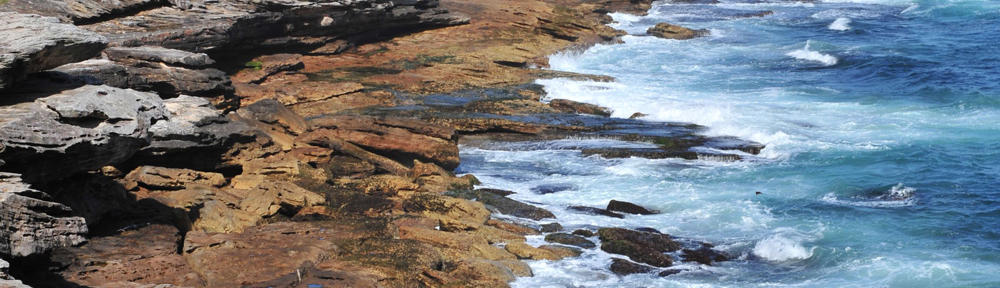
- Coastal wonders unlock the lucky wave and inspire mindful ocean adventures
- Decoding the Science Behind Exceptional Waves
- The Role of Swell Direction and Period
- The Cultural Significance of Waves and Surfing
- Mindful Ocean Adventures and Wave Respect
- Essential Safety Practices for Coastal Activities
- The Intersection of Technology and Wave Prediction
Coastal wonders unlock the lucky wave and inspire mindful ocean adventures
The allure of the ocean is timeless, drawing people to its shores for solace, adventure, and a sense of wonder. Among the many phenomena that captivate observers, the sighting of a truly exceptional wave holds a special significance. It’s more than just a beautiful sight; for surfers, and even those simply observing from the beach, a particularly graceful or powerful wave can feel incredibly auspicious – a lucky wave, hinting at good fortune to come. This feeling taps into a deep-seated human connection with the natural world, a belief in signs and omens, and the sheer joy of witnessing nature’s power.
The ocean’s rhythm dictates much of life along the coast, influencing weather patterns, ecosystems, and the daily routines of communities. From the gentle lapping of small ripples to the crashing force of colossal swells, the ocean is in constant motion. Understanding that motion, respecting its power, and appreciating its beauty is essential for safe and mindful enjoyment. The search for that perfect wave, the one that embodies both skill and luck, is a pursuit that has driven innovation in surfing and fostered a unique culture of ocean appreciation.
Decoding the Science Behind Exceptional Waves
What makes a wave ‘exceptional’? It's not merely size, although large waves certainly command attention. Several factors contribute to a wave’s quality, including its shape, its power, and its consistency. The formation of waves is a complex process initiated by wind transferring energy to the water’s surface. The strength and duration of the wind, as well as the fetch (the distance over which the wind blows), determine the size and energy of the resulting waves. These waves then travel across the ocean, losing energy through dispersion and friction. However, when they approach shallower waters near the coastline, they undergo a transformation. The bottom of the wave slows down due to friction, causing the wave to steepen and eventually break. This breaking point is where the magic happens.
The underwater topography plays a crucial role in shaping the wave. Reefs, sandbars, and points can all focus wave energy, creating more powerful and well-formed waves. A wave that breaks cleanly and predictably is highly prized by surfers. Local knowledge of these underwater features is often passed down through generations, making certain surf spots particularly sought after. Analyzing wave patterns and swell forecasts is now a sophisticated science, utilizing data from buoys, satellites, and weather models to predict wave height, period, and direction. This allows surfers to optimize their timing and location, increasing their chances of encountering that sought-after swell.
The Role of Swell Direction and Period
Understanding swell direction is critical, as it determines how the wave will interact with the coastline. A swell that is perfectly aligned with a surf break will produce the most powerful and consistent waves. Swell period, the time between successive wave crests, also significantly impacts wave energy. Longer period swells carry more energy and tend to produce larger, more powerful waves, favored by experienced surfers. Conversely, shorter period swells typically result in smaller, less powerful waves, suitable for beginners. Modern surf forecasting incorporates these parameters, giving surfers detailed insights into upcoming wave conditions.
The interplay between swell direction, period, and local bathymetry is what creates the diversity of wave types found around the world. From the powerful barreling waves of Pipeline in Hawaii to the long, mellow waves of Malibu, California, each surf spot offers a unique experience. Learning to read the ocean and understand these complex interactions is key to unlocking the potential for a truly memorable surfing session, and perhaps, even to encountering a lucky wave.
| Wave Characteristic | Description |
|---|---|
| Swell Period | Time between successive wave crests; influences wave energy. |
| Swell Direction | Angle at which the swell approaches the coastline; affects wave quality. |
| Bathymetry | Underwater topography; shapes and focuses wave energy. |
| Fetch | Distance over which the wind blows; determines wave size and energy. |
The table above highlights just a few of the factors that contribute to the formation of excellent waves. Mastering knowledge of these elements is helpful for any surfer.
The Cultural Significance of Waves and Surfing
Surfing is more than just a sport; it's a deeply ingrained cultural practice with roots stretching back centuries. Originally developed in Polynesian culture, surfing was initially a spiritual practice, a demonstration of skill and connection with the ocean. The waves themselves were considered sacred, and surfing was reserved for royalty and skilled warriors. The tradition was nearly lost with the arrival of Western missionaries, but it was revived in the early 20th century by figures like Duke Kahanamoku, a Hawaiian Olympic swimmer who popularized surfing around the world. Today, surfing has evolved into a global phenomenon, encompassing a diverse community of riders, shapers, and enthusiasts.
The pursuit of the perfect wave has fueled innovation in surfboard design, wave forecasting technology, and surfing techniques. It’s also inspired art, music, and literature. Coastal communities have sprung up around world-class surf breaks, fostering a unique lifestyle characterized by a deep respect for the ocean and a commitment to environmental preservation. The feeling of gliding across the face of a wave, powered by nature’s energy, is often described as exhilarating and meditative. It promotes a sense of flow and connection with the present moment, which is why many people view it as a form of therapy and self-discovery.
- Surfing has deep roots in Polynesian culture.
- Duke Kahanamoku helped popularize surfing internationally.
- Surfboard design continues to evolve with advances in technology.
- Surfing fosters a strong sense of community.
The ongoing evolution of surfing continues to shape coastal industries and lifestyles. It's an industry that draws people close to the water.
Mindful Ocean Adventures and Wave Respect
The ocean is a powerful force, and respecting its power is paramount. Entering the ocean requires awareness, preparation, and a healthy dose of humility. This means understanding the local conditions, knowing your own limits, and being prepared for unexpected events. Before venturing into the water, check the surf report, assess the tides, and be aware of potential hazards like currents, rocks, and marine life. It’s also crucial to practice proper surfing etiquette, respecting other surfers and sharing the waves. Taking a lesson from a qualified instructor is highly recommended, especially for beginners. Such instructors will reinforce safety protocols and techniques.
Mindful ocean adventures extend beyond surfing. Activities like swimming, kayaking, paddleboarding, and simply walking along the beach can offer opportunities for connection with nature and self-reflection. Taking the time to observe the ocean’s rhythms, listen to the sounds of the waves, and appreciate the surrounding environment can be deeply restorative. Practicing Leave No Trace principles is essential for protecting the ocean’s delicate ecosystems. This includes packing out all trash, avoiding single-use plastics, and choosing reef-safe sunscreen.
Essential Safety Practices for Coastal Activities
Regardless of the activity, safety should always be the top priority. Before entering the water, inform someone of your plans and expected return time. Wear appropriate safety gear, such as a leash for surfing or a personal flotation device for kayaking. Be aware of rip currents and know how to escape them – swim parallel to the shore until you are out of the current, then swim towards the beach. Learn basic first aid and CPR, as these skills can be life-saving in an emergency. Staying hydrated and protecting yourself from the sun are also crucial aspects of ocean safety.
Promoting responsible ocean stewardship ensures that future generations can enjoy the benefits of these precious marine environments. Supporting organizations dedicated to ocean conservation and participating in beach cleanups are just a few ways to make a positive impact. Educating ourselves and others about the importance of ocean health is vital for safeguarding this vital resource. Whether you're seeking the thrill of a lucky wave or simply a peaceful escape, the ocean offers something for everyone.
- Check the surf report and local conditions before entering the water.
- Wear appropriate safety gear, such as a leash or flotation device.
- Be aware of rip currents and know how to escape them.
- Inform someone of your plans and expected return time.
Taking these simple steps can turn an enjoyable ocean experience into a significantly safer one. Prioritizing safety is a vital aspect of ocean respect and should not be undervalued.
The Intersection of Technology and Wave Prediction
The ability to accurately predict wave conditions has revolutionized the world of surfing and coastal recreation. Early wave forecasting relied on simple observations and empirical knowledge, passed down through generations of surfers. However, the advent of modern technology has enabled scientists to develop increasingly sophisticated models that can predict wave height, period, and direction with remarkable accuracy. Satellite altimetry, which measures the height of the sea surface, provides crucial data for forecasting swell generation and propagation. Buoys deployed around the world collect real-time data on wave conditions, providing valuable ground truth for validating and improving forecasting models. These data are then fed into complex computer simulations that account for various atmospheric and oceanic factors.
The rise of mobile apps and online platforms has made wave forecasting information readily accessible to surfers and coastal communities. These tools provide detailed forecasts for specific surf spots, including wave height, direction, period, wind conditions, and tide information. Some apps even offer personalized alerts, notifying surfers when their favorite break is expected to be firing. The advancement of artificial intelligence and machine learning is further enhancing wave forecasting capabilities, allowing models to learn from past data and improve their accuracy over time. The more accurate these predictions become, the more efficiently surfers can plan their sessions and maximize their time in the water.